

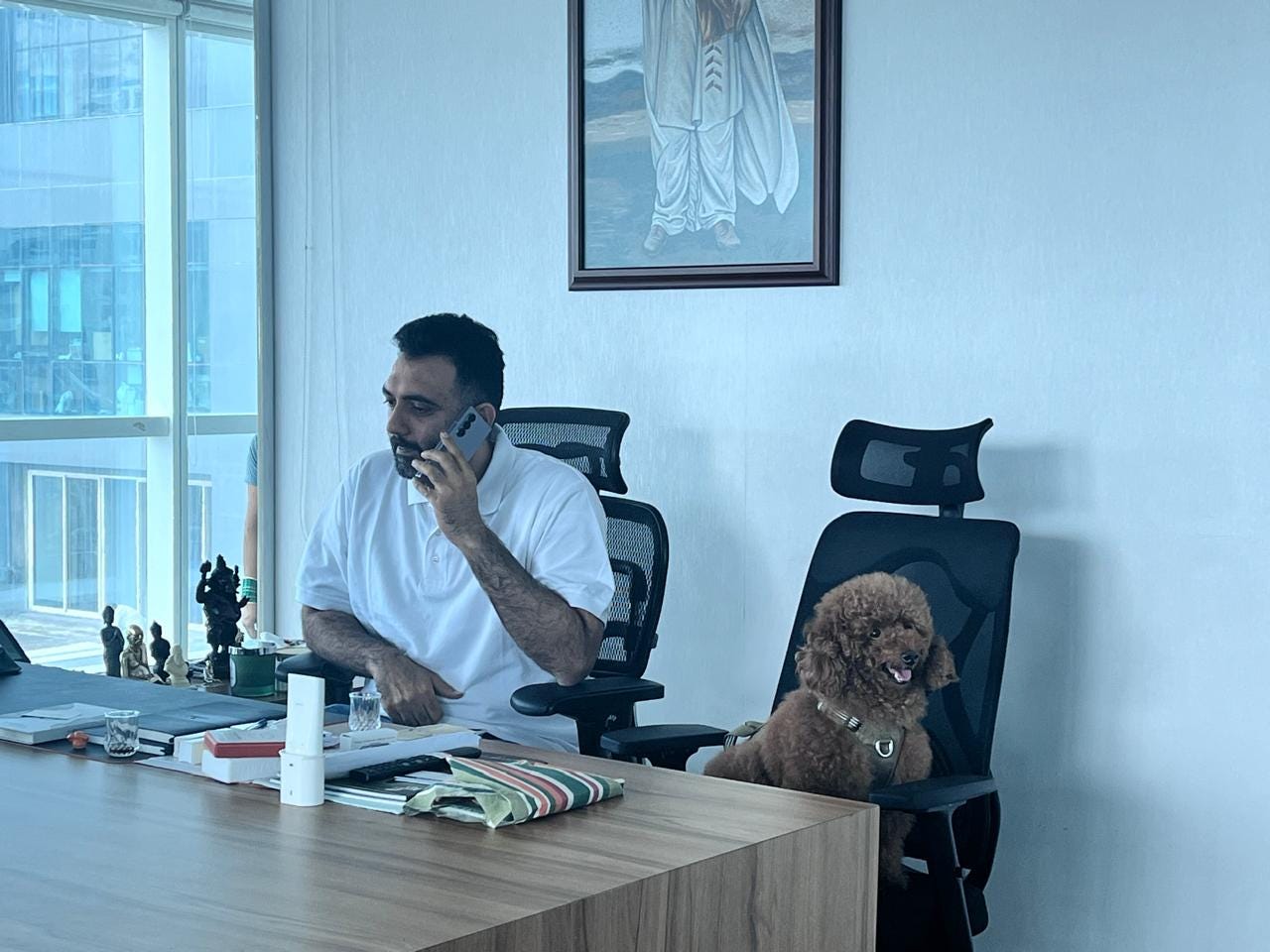
For eight years, Fredun Medhora has been asking the pet industry one question. Does a pet only eat food?
The Indian pet-care industry, by and large, has acted as though the answer were yes. Capital went into retail shops and kibble brands. Founders pitched investors on opening stores; investors funded them.
The big consumer houses built food plants. The market was clearly growing, and most players built the same two things — more shops, more food.
Fredun argues that this solved the wrong problem.
“It’s like saying I want to sell more laptops, so the best way is to open more laptop stores — without ever asking how many people will walk in, how many laptops the country actually needs, where they’ll get serviced, where the chips are made, what the import duties are, what happens to the resale and second-hand market. No discussion on any of it. They just put up the shop and called it growth. The exact same thing happened in the pet industry.”
He asks a second question:
“When you consider an animal, does it only eat food? Doesn’t it have any other needs? Unfortunately, the whole world in India has focused solely on retail and food.”
A pet needs more than feeding — vaccination, training, grooming, diagnosis, someone to call at night.
India built the shops and the food plants, and little of the rest. Wagr is Fredun’s attempt to build what is missing, and its story begins with an eight-year-old startup that built India’s first GPS tracker for dogs, ran out of money, and was absorbed into a three-decade-old pharmaceutical company.
How Wagr began
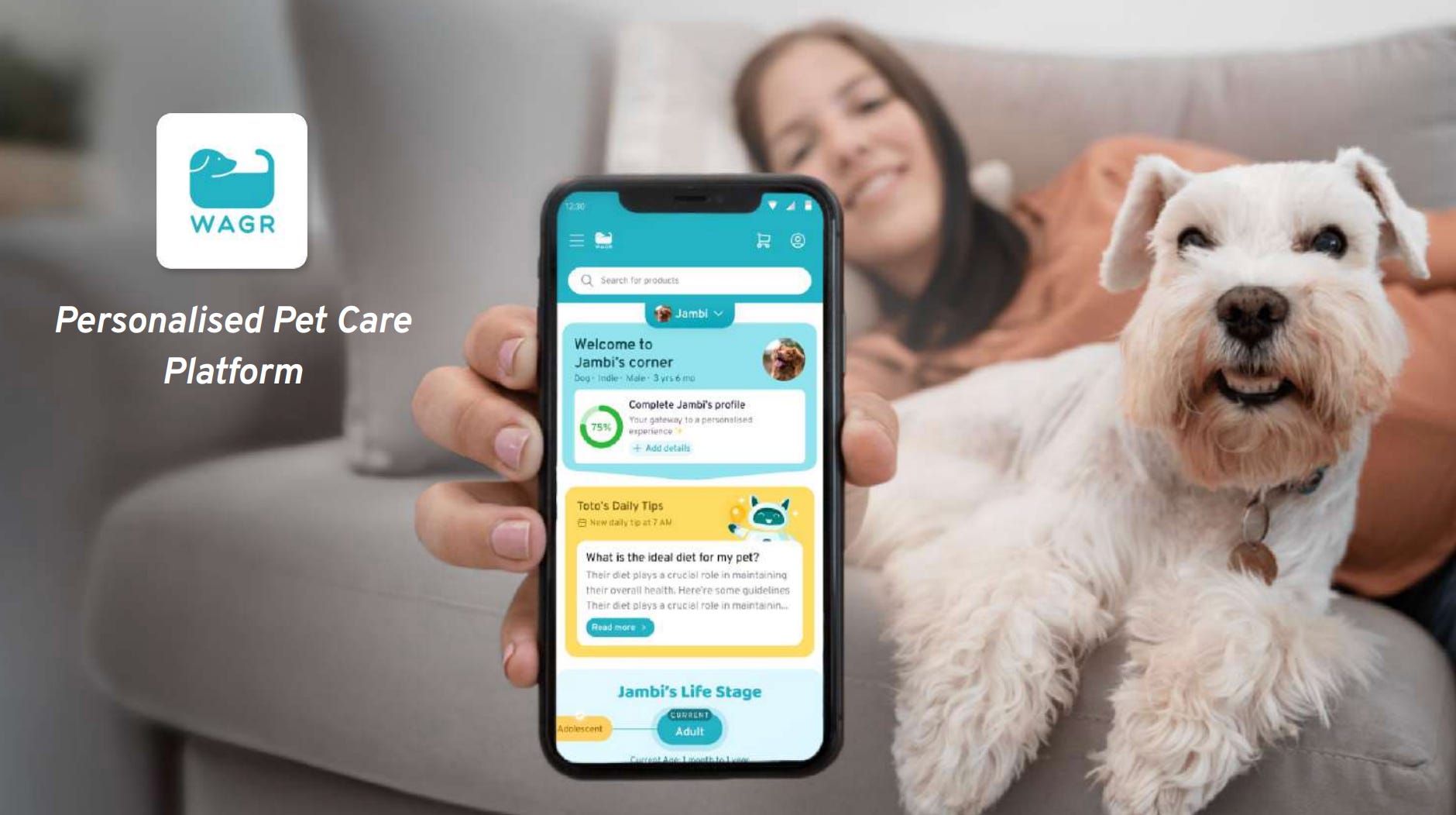
Wagr began as hardware.
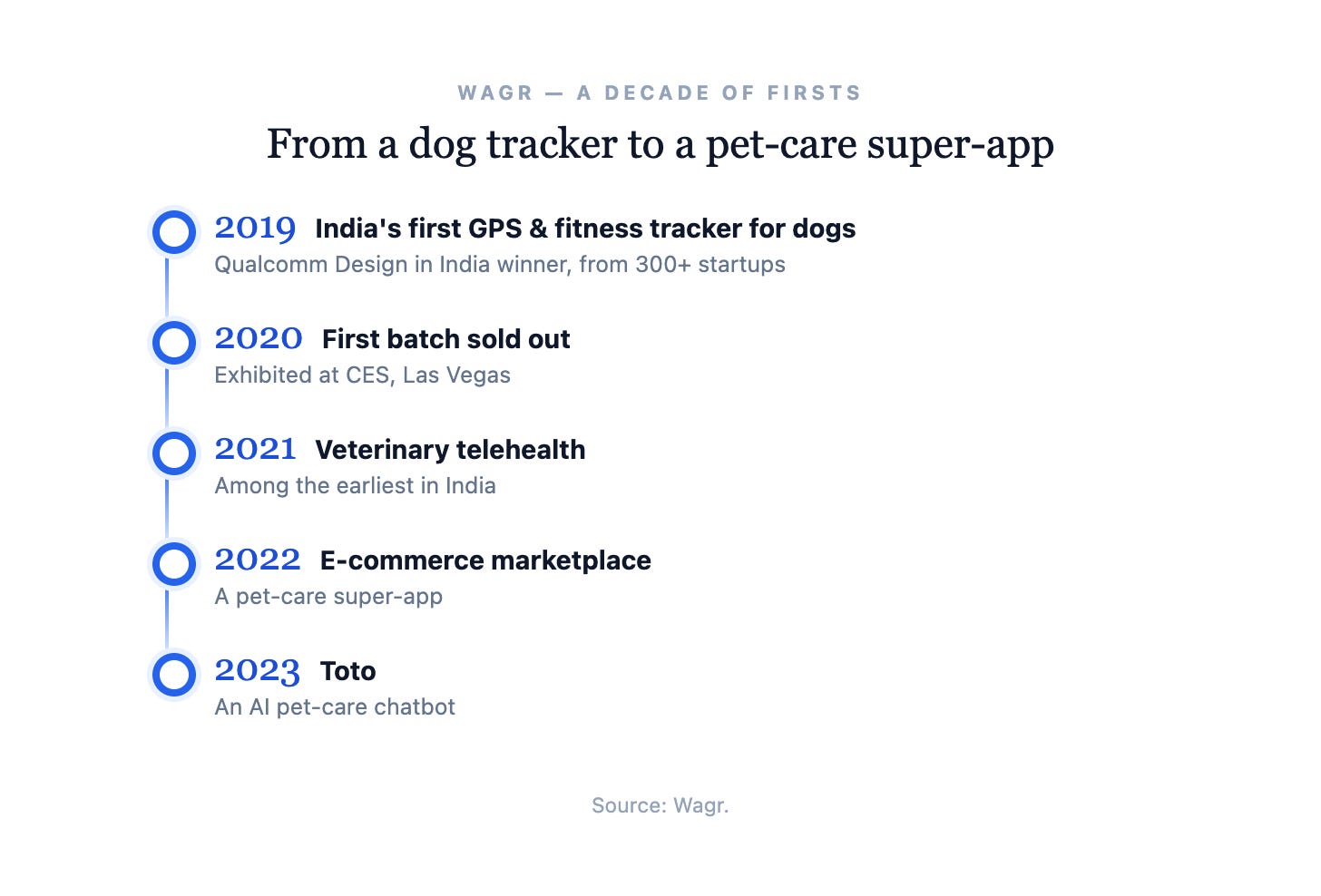
In 2019, a team operating under a company called MobiusWorks launched the Wagr Tracker — described as India’s first GPS and fitness tracker for dogs and the world’s first 4G pet wearable.
That year it won Qualcomm’s Design in India program, chosen from more than 300 startups, with $90,000 in grants. In 2020, the first batch sold out and the company exhibited at CES in Las Vegas.
The two founders split the work. Siddharth Darbha, on business and operations, had managed a $7-million marketing budget at Flipkart and founded Blockchained India. Advaith Mohan, on product and marketing, was a third-time founder who had been a VP at an NGO. Both had spent five years in the pet industry.
Services followed the device: veterinary telehealth in 2021, an e-commerce marketplace in 2022 — a pet-care super-app, in the company’s phrase — and, in 2023, Toto, billed as the world’s first AI pet-care chatbot, which went on to field more than ten thousand questions.
The numbers Wagr reported by the end of its independent run: 140,000-plus registered pet parents, a 4.7-out-of-5 app rating, over 11,000 vet teleconsultations, thousands of orders shipped, and relationships with seventy-plus brands.
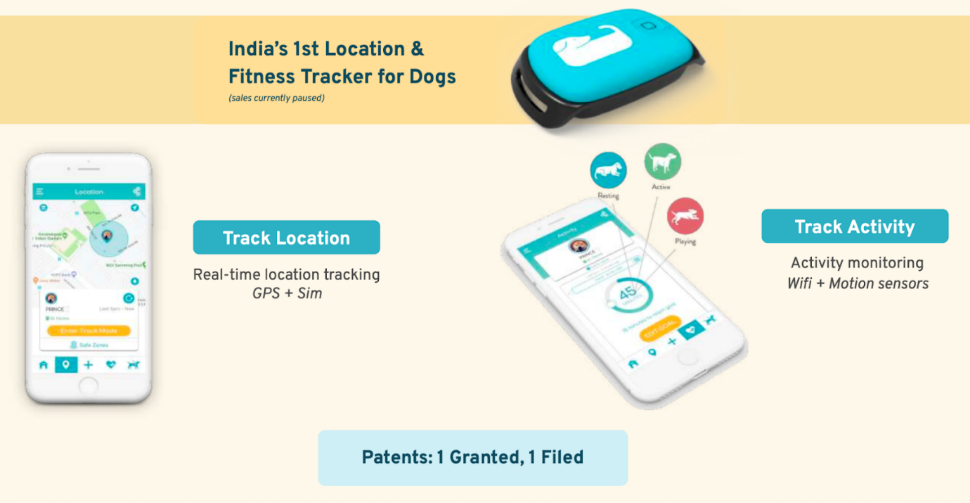
But after eight years of research and development, Wagr had made more than it could fund. The technology existed, the patents were filed, the users were acquired — but the capital to keep operating was not there.
The choice was liquidation or a buyer. The buyer was a pharmaceutical company in Mumbai.
The pharmaceutical parent
Fredun Pharmaceuticals began with his parents. Nariman Medhora had spent 27 years at Sarabhai Chemicals; Dr. Daulat Medhora was a freelance research scientist who consulted for brands such as Sanofi.
Nariman and Daulat mortgaged everything they had to start a pharmaceutical company in Palghar, then a village on the outskirts of Bombay. The plant went live in 1994. For its first decade and more, the company stayed small. When Fredun joined in 2007, it was doing roughly ₹3 crore a year.
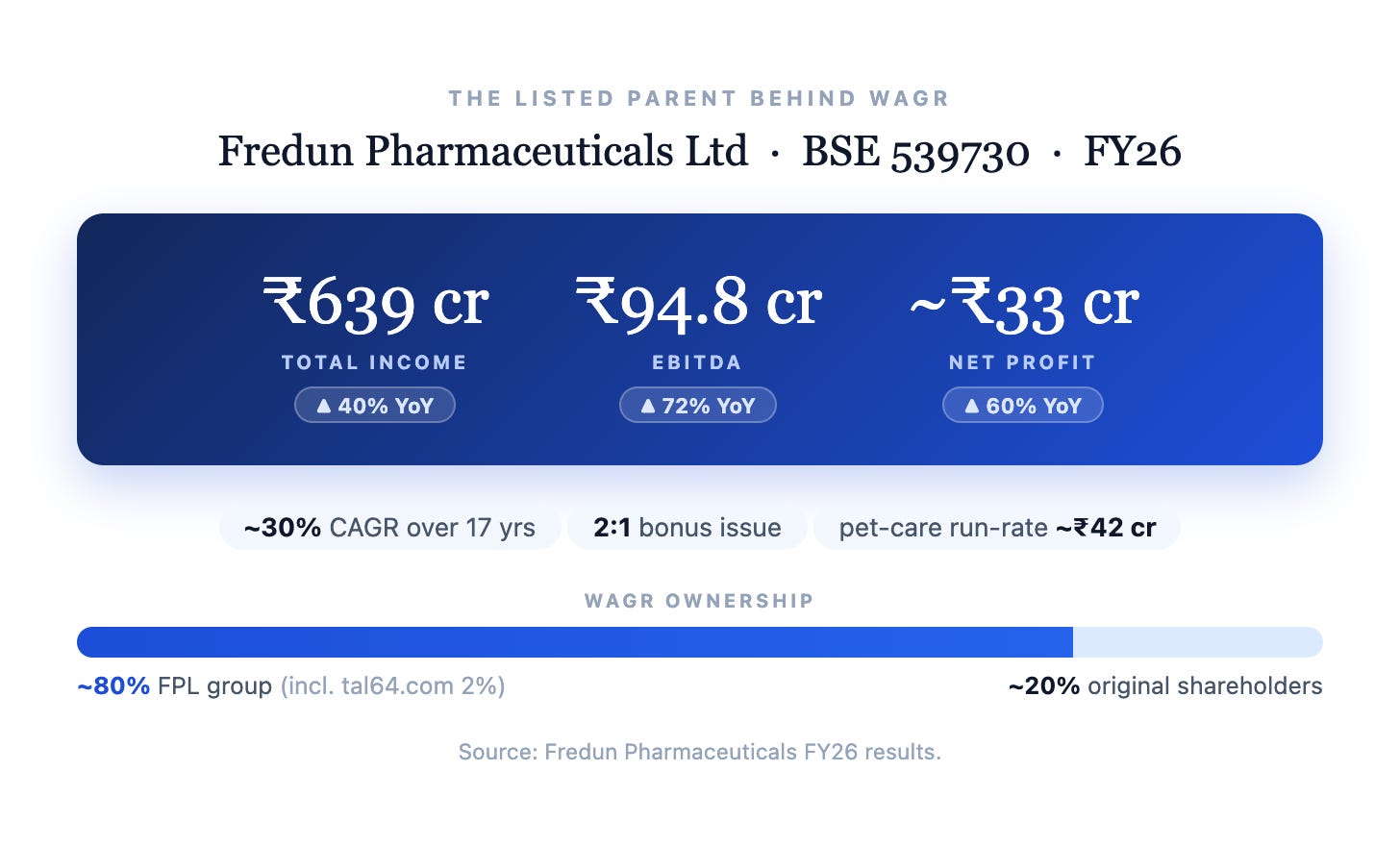
Fredun, now thirty-nine, runs the company. From that ₹3-crore base, FPL reported total income of ₹639 crore in FY26 — up 40% year on year, with EBITDA of ₹94.8 crore (up 72%) and net profit up around 60%; the board recommended a 2:1 bonus issue.
Across his seventeen years, revenue has compounded at roughly 30% annually.
The business is built to spread risk: 163,000 square feet of manufacturing, 215,000 sft of warehousing, four crore tablets and a crore capsules a day, exports to fifty-two countries, 692 active product registrations and 1,260 in the pipeline.
No country brings more than 18% of revenue, no therapeutic class more than 12–13%, no single product more than 6–7%.
That spread is why FPL can enter pet care without needing a big sale in year one.
Why not food
FPL entered pet care with Freossi, its house brand. Fredun set its goal in one line:
“When we started Freossi, the goal was simple: no pet in this country should be born or die without using a Freossi product or service. Just as you cannot get up from this table and reach home without a Tata product or service — the salt in your food, the electricity in your house, the steel in the train you ride, the cloud your phone runs on — something is always a Tata. We wanted to create that for pets.”
Freossi, FPL’s pet-care brand, reported a ₹20-crore run rate in its first year; the broader pet-care business — Freossi plus contract manufacturing for other brands — is tracking around ₹42 crore for FY26, which Fredun has described on investor calls as carrying 50–70% gross margins on key lines. The brand made one decision that surprised people around him: it would not sell food.
“People said, if you don’t launch food, how will the sales come? I said — it’s okay if it doesn’t come. I’ll do what I think is right: right for the industry, right for the country, right for the animals that will come to this country. After six years, I feel we’re finally ready to fill the gap that’s been sitting there.”
Food is 75–80% of the market. FPL skipped it and started with a free training program for breeders and groomers:
“We started a free program, Sayog. It went to Sangli, Satara, Pune, Haryana, Chandigarh — not Colaba and Kemps Corner. The big breeders are there. First one applicant, then two, then five. Within months it was booking out in twelve, thirteen seconds, and people were offering ten, twenty thousand rupees just to join — for something that was free.”
From there it moved to vets and prescriptions, then nutraceuticals, grooming products, functional foods, and diagnostics.
By September 2025, FPL had commissioned an 18,000-square-foot pharma-grade functional pet-food plant — which it says is India’s first — with a projected ₹150 crore of capacity: ₹100 crore of contract manufacturing for other brands, ₹50 crore of branded Freossi.
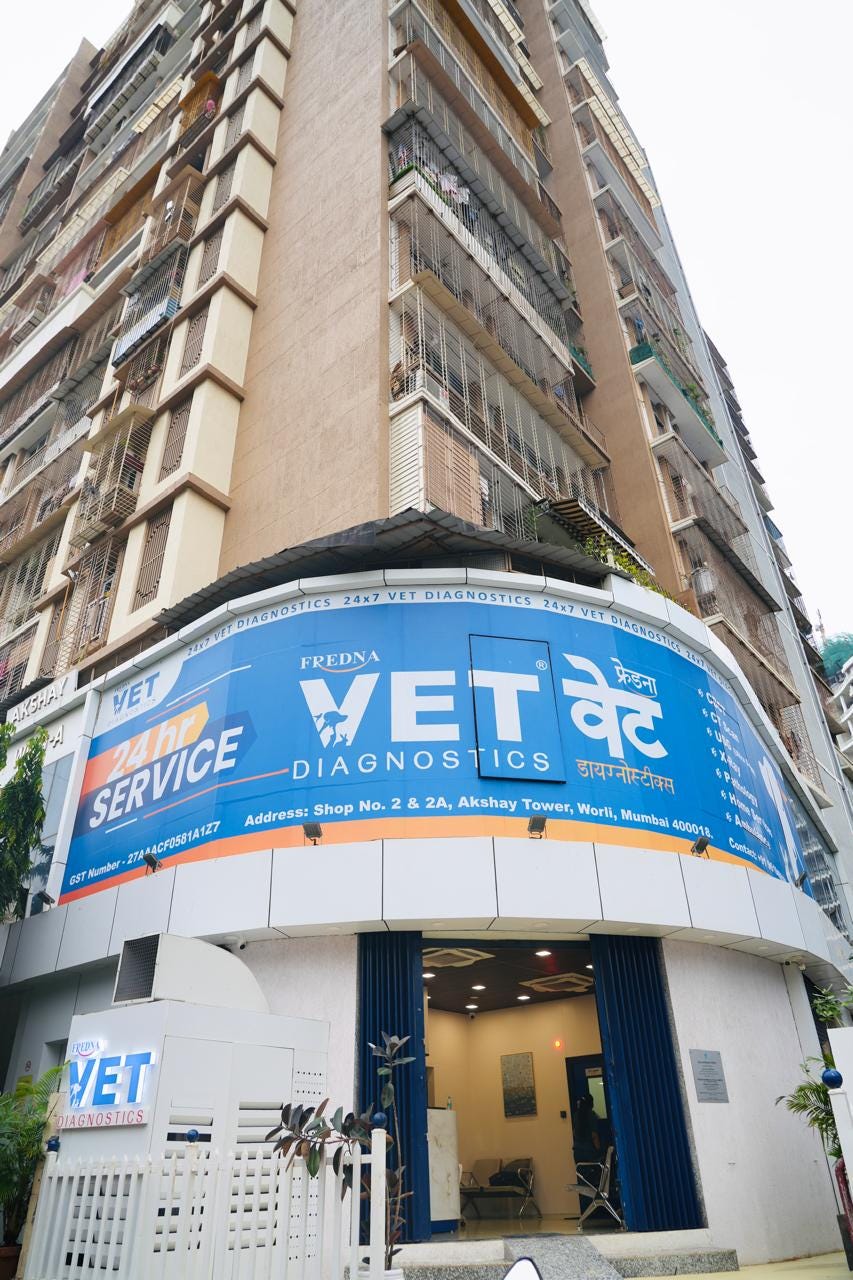
In Worli, FPL also runs Fredna Vet Diagnostics, a dedicated veterinary diagnostic centre with CT, ultrasound, X-ray, and what it says is the country’s only veterinary CBCT scanner, open around the clock with a pet ambulance.
A scan that costs ₹22,000 with a week’s wait at a leading human hospital, FPL says, is done there for ₹16,000 by morning.
By the time Wagr arrived, FPL was already running manufacturing, diagnostics, and distribution in the market Wagr had been trying to serve.
By the time Wagr arrived, FPL was already running manufacturing, diagnostics, and distribution in the market Wagr had been trying to serve.
The gap
To see what Fredun sees, picture bringing home a first puppy.
“To buy a car, you know where to go. For your own healthcare, you know — you go to your GP, who sends you to a specialist. For a pet? You ask people you know, who ask a few others, who make a few calls, and photographs start arriving on WhatsApp. There is a huge information asymmetry. There is no central place to even get a pet.”
Then he lists what a new pet parent cannot find:
“India has no centralised breeder setup, no centralised training setup, no centralised healthcare setup, no diagnostic setup — not even a standardised way to train dog walkers. So dogs increased, and anyone who thought ‘I’ll walk five or fifteen dogs’ became a dog walker. Three or four people gave a dog biscuits, said sit and stand, and became self-proclaimed trainers. Covid came, and suddenly the two or three people buying pets became two or three thousand. Retail shops opened — because a shop is the most visually flattering thing for the industry. Open twenty training institutes and nobody notices; open twenty shops and it looks like a boom. But all of it sat on an archaic ecosystem.”
“I find a breeder — fine. That breeder sells the puppy to an agent for fifteen thousand; the agent sells it to a second agent for forty thousand; the third agent brings the customer and sells for eighty thousand. And there’s still no central registry, because the breeders themselves aren’t on record. If the breeder isn’t organised, how can the registry possibly be?”
“When you become a father for the first time, even with a hundred million dollars you won’t know how to take care of the child — but you’ll have people around you who do. Even the local chemist gives you advice, and you listen, because he’s your child’s chemist. A first-time pet parent has none of that. Your wife can’t call your mother to ask why the dog is suddenly eating less — your mother never had a dog.”
“Your dog falls and breaks a leg. The doctor says get an X-ray — where? They tell you the human centre opens at 8 p.m., so the dog sits in pain for twelve hours, for no reason. Imagine that in the human world — a person dying because the CT centre was booked for two days. It would be national news. For pets, the basic requirements simply aren’t there.”
“There is no single forum, no centralised knowledge bank in this country where a pet parent can even ask their small, stupid questions — and actually get an answer.”
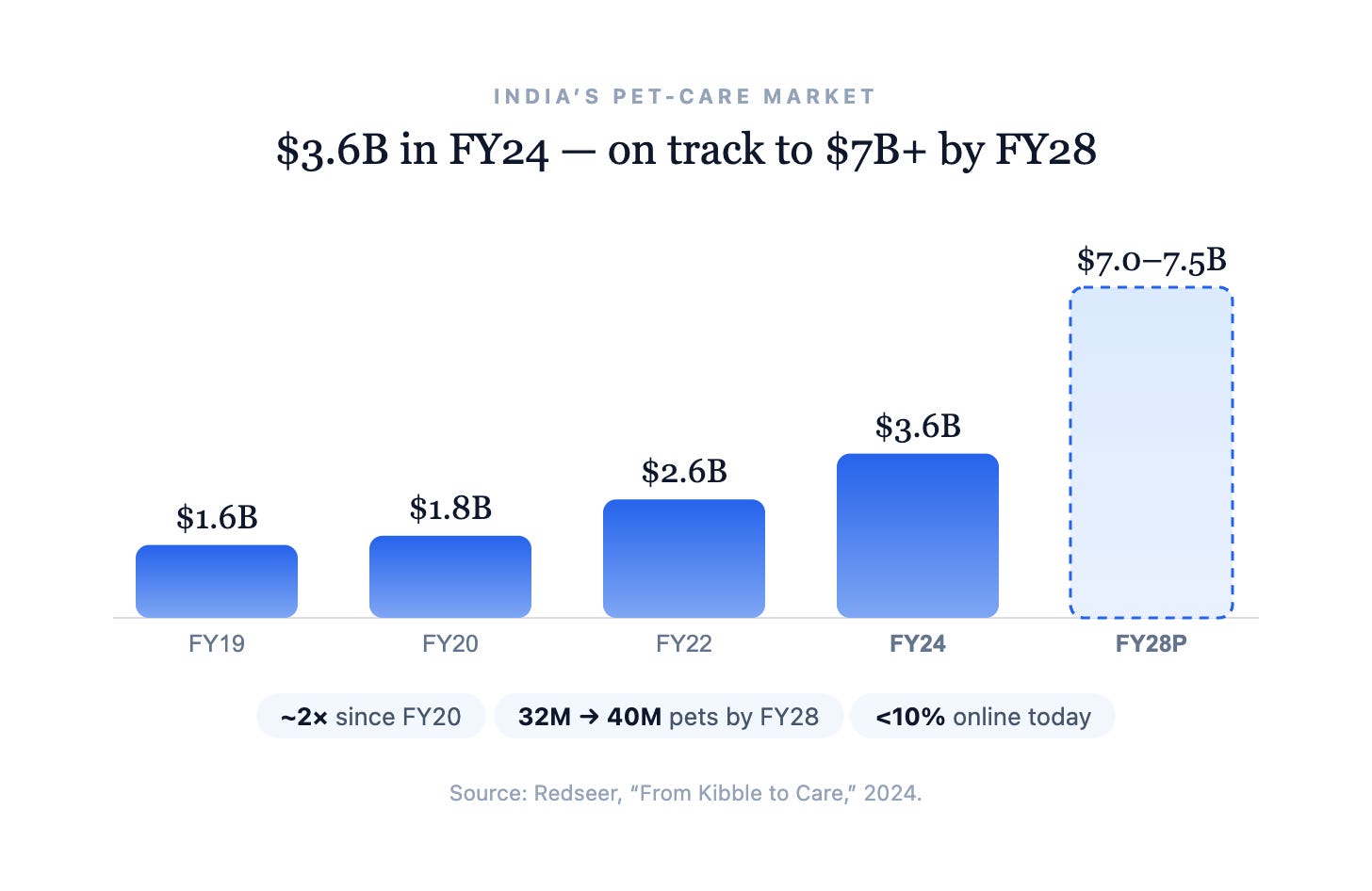
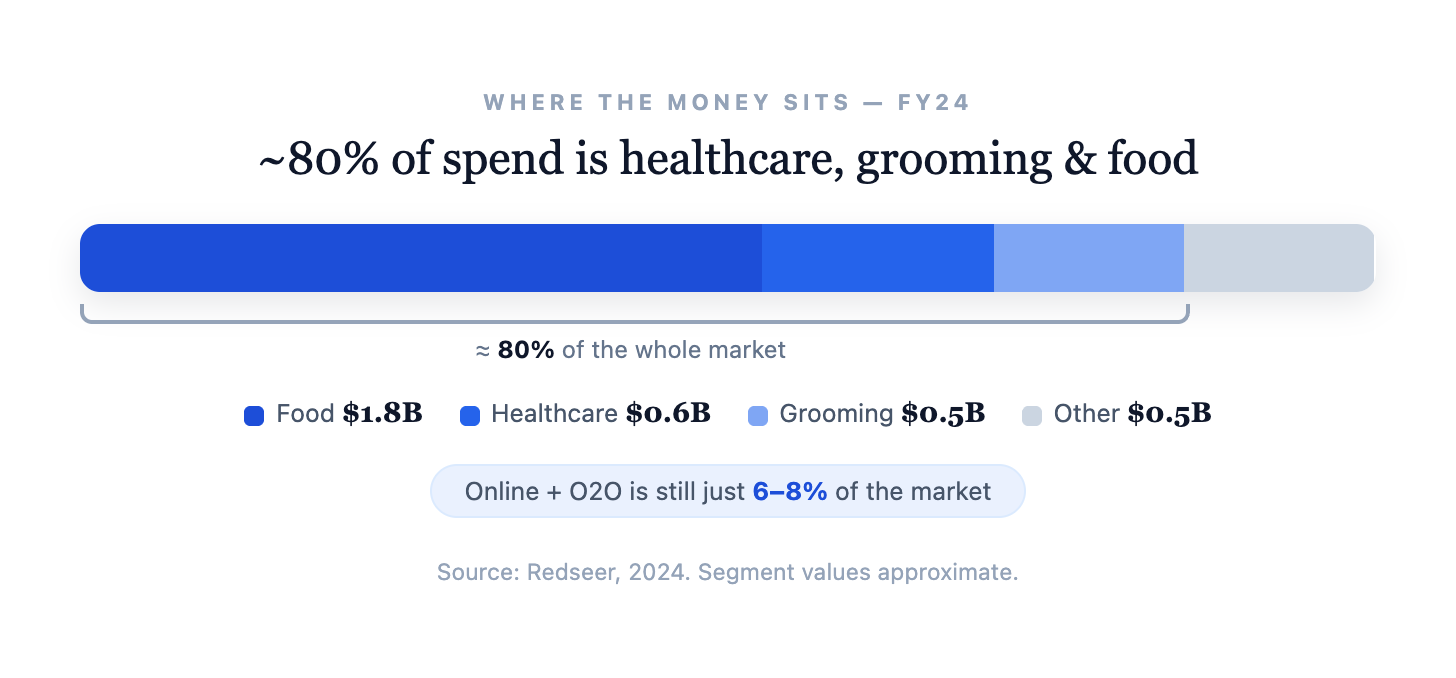
Independent data agrees. Redseer’s 2024 study of Indian pet care — From Kibble to Care — put the market at roughly $3.6 billion in FY24, double FY20, and projected $7.0–7.5 billion by FY28, across 32 million pets heading toward 40 million.
Online is the smaller story: digital and online-to-offline spending together are under 10% of the market. Roughly 80% of all spending runs through healthcare, grooming, and food — and the pet parents Redseer surveyed complained most about untrained staff, opaque pricing, and long waits.
The commodity argument
The obvious objection is the one Fredun has heard often: if food is most of the market, why refuse to sell it? His answer is that packaged food is a commodity:
“Packaged food has a six-to-nine-month shelf life and competes on price. A twenty-thousand-crore company can’t launch a brand to earn a twenty-crore sale — it’s compelled by its size to chase big numbers. So they all do food, because food is seventy-five, eighty percent of the market. More food, more retail; more food, more retail. It goes in a loop.”
Pet pharmaceuticals and nutraceuticals, he argues, behave differently — prescribed by vets, higher-margin, recurring:
“A vet will write food once. But these nutraceutical and prescription products get written again and again.”
The same logic, he argues, is why infrastructure beats marketing budgets. His proof is the diagnostics centre:
“What makes diagnosis succeed? Accuracy. And accuracy needs a large sample. For two years now my centre has been diagnosing nearly every kind of scan in the country, so I have the bigger dataset, so I’m more accurate. Because I’m accurate, I get more business; because I get more business, I get even more accurate. Even if Reliance opens right next door, the only way they can beat me is to buy me — and we are not here for a sellout. Kill me, and you’ll only lower the industry standard.”
A larger entrant can outspend FPL on marketing. Fredun’s bet is that the plant, the scan archive, and the vet relationships take years to copy at any budget.
The acquisition
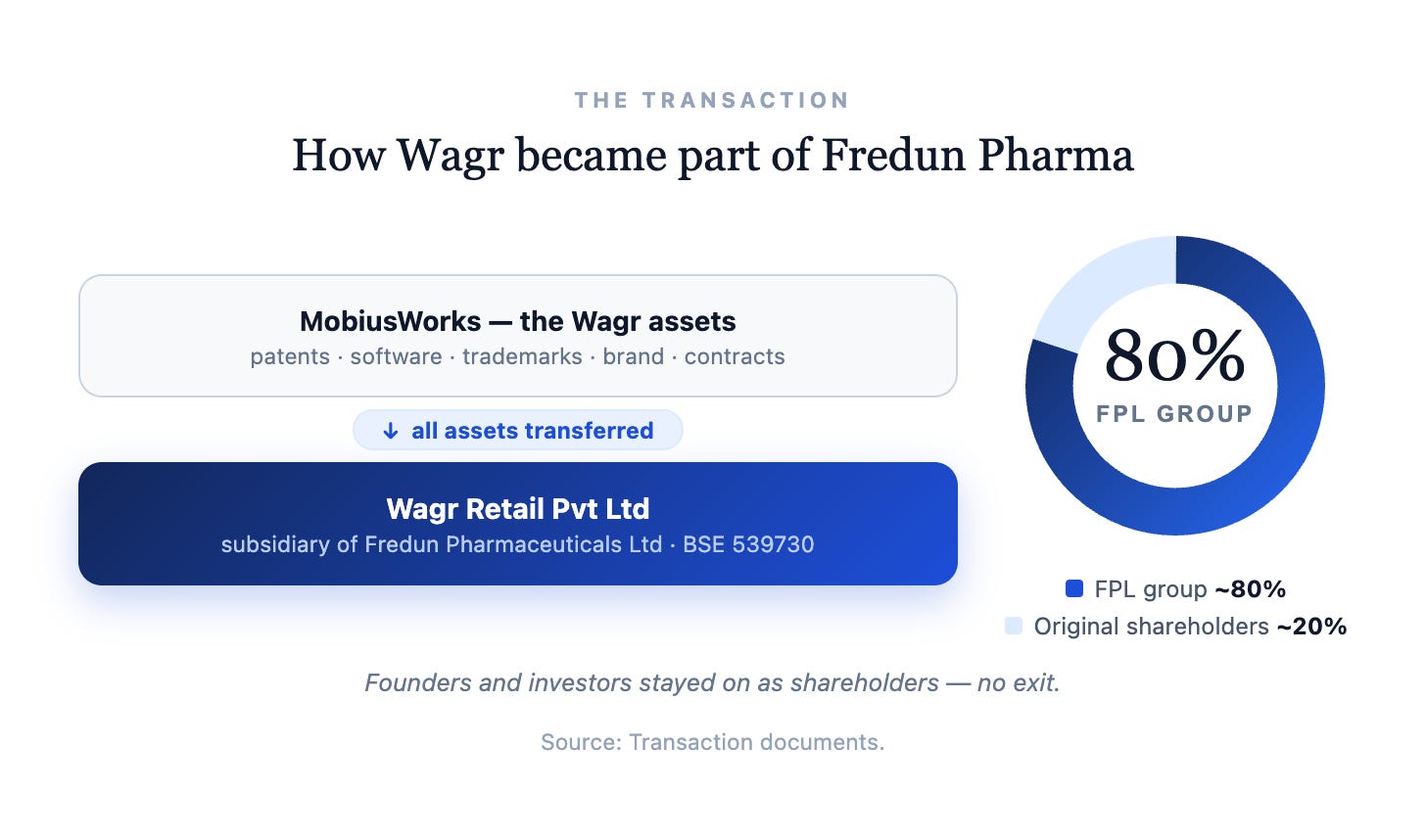
When the money ran out, FPL stepped in. A new subsidiary — Wagr Retail Private Limited, held through Fredun Retail Private Limited — acquired Wagr’s assets: the patents, software, trademarks, brand, and contracts.
The original Wagr shareholders took a 20% stake in the new entity. The FPL group holds roughly 80%.
The founders and investors did not take an exit. Backers including IvyCap Ventures, Inflection Point Ventures, and Stanford Angels & Entrepreneurs — alongside angels such as Nitin Sharma (co-head of Antler India, First Principles) and Ashish Sharma (CEO of InnoVen Capital, formerly President of GE Capital) — rolled into the combined entity as continuing shareholders.
“Building Wagr has been a journey of love for pets and trust from their parents,” said co-founder Advaith Mohan, “and seeing it grow under Fredun Pharma feels like sending it off to an even bigger family.”
“Wagr has always stood for trusted, compassionate pet care,” added co-founder Siddharth Darbha. “With Fredun Pharma’s decades of expertise and deep commitment to wellness, that promise will now touch many more pet families.”
The reason is consolidation:
“Wagr is an independent brand, but it’s a subsidiary — so at the consolidated level, Wagr’s revenue becomes part of FPL. It’s a direct addition.”
Because Wagr is a subsidiary, its revenue consolidates upward into FPL’s accounts. In practice, that makes Wagr a revenue line inside a profitable listed parent rather than a standalone startup that has to find its own exit — though it also ties Wagr’s fortunes to FPL’s priorities and balance sheet.
What Wagr is being rebuilt as
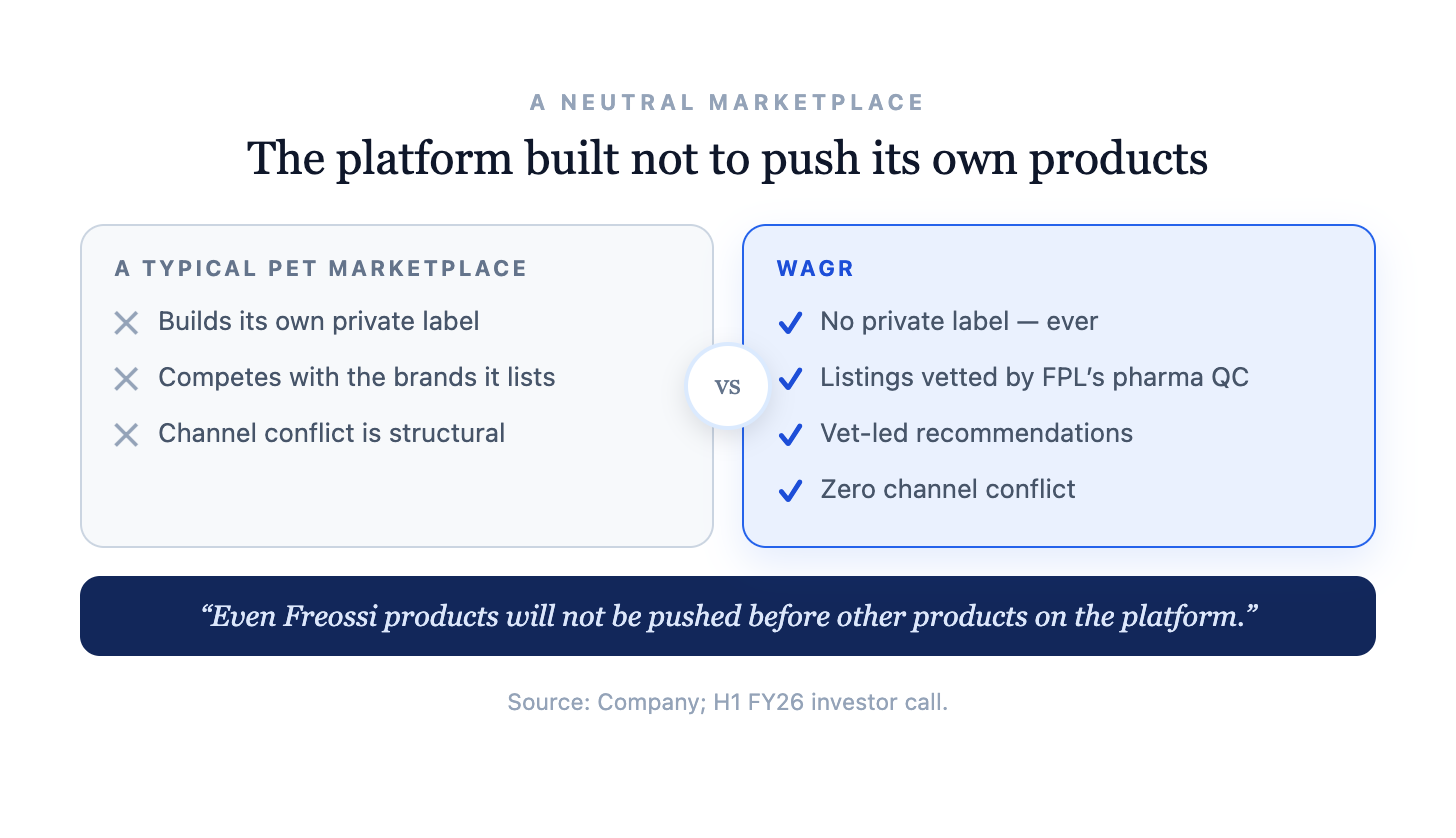
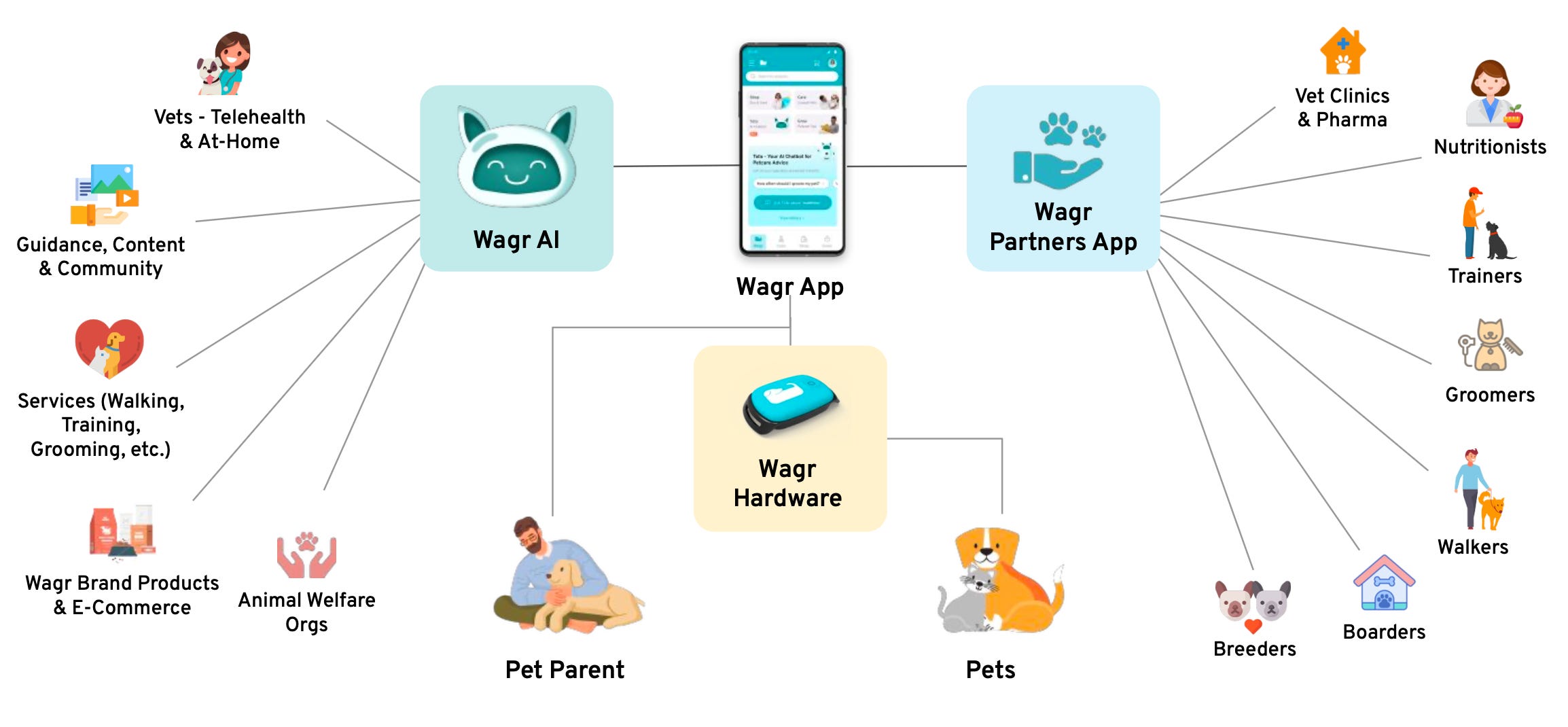
Wagr is being relaunched as a marketplace joined to veterinary telehealth: a consultation produces a recommendation, and the product can be bought in the same app. Fredun has ruled two things out — a private label, and a storefront built to move the big brands’ volume:
“There is no neutral space in pet care. The big platforms — every time a good product sells, they brand it themselves and push it. There are so many manufacturers with genuinely good products and no avenue to sell them — the marketplaces charge twenty-five, thirty, forty percent, and sometimes don’t even give them a listing. We want to be the platform where they onboard. And there will be no one — not even Freossi products — pushed before other products on the platform.”
FPL sells no dry food or biscuits, and Wagr will carry no private label, so the platform does not compete with its own sellers.
A treat maker in Jaipur or a nutraceutical lab in Bangalore lists on the same terms as a multinational. FPL also plans to run every listing through its pharmaceutical quality control:
“We have the e-commerce platform and the science-tech platform. So we can verify products scientifically before they go up — so a pet parent knows that a company in this industry for almost three decades has vetted the product before it’s sold.”
FPL’s distribution runs through veterinarians, and Fredun builds the whole argument on them:
“Amazon is a passive marketplace. Supertails is a passive marketplace. If someone Googles a product, they buy it and Amazon’s job is done — Amazon can’t call that customer and say take it from me, because it doesn’t even know who the customer is. We already have distribution on the ground. Every single veterinarian in our markets knows us. And in the pet industry, your first line of influence is the vet — you go there for rabies, and the vet guides you on what to feed, what medicine to give, everything.”
“We are the only e-commerce platform in the country with a doctor reach — and we were the first to put everything under one roof in pet care.”
Freossi already reaches those vets, so Wagr routes its recommendations through them. Fredun will not call any of this a pet shop:
“Search HUFT, search Supertails — they’ll describe themselves as a pet shop. We never say pet shop. It’s pet parenting. It’s not a product I’m selling; it’s an ecosystem and an environment.”
For the questions in between vet visits, there is Toto, the chatbot:
“You come and ask us. We’re not going to tell you your pet is sick — first we calm you down, then we say, try this. Even in dry food you have to choose; Toto helps you discover a better brand you’d never have known existed.”
Every interaction also leaves data:
“Even if you don’t buy from me today — if you trust my Toto, if you’ve filled in your pet’s profile — I still have your data. I know the breed, the size, the vaccination timeline. When that vaccination is due, my mail reaches you. Along with it, the advice. Along with that, the right product.”
Services first
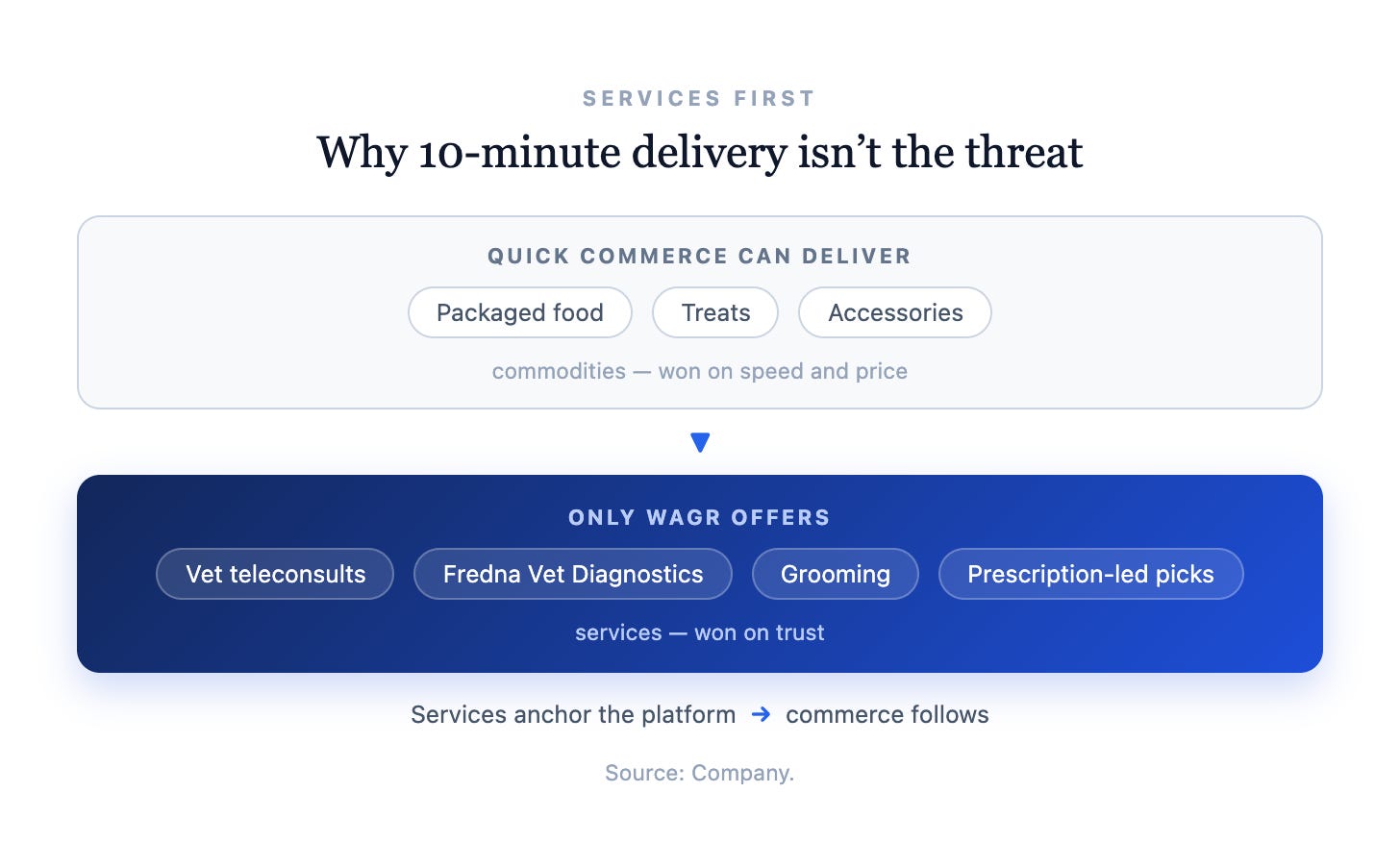
The risk most often raised against pet e-commerce is quick commerce. When a bag of food arrives in ten minutes from a dark store, a pet store that mostly sells food has little reason to exist.
Wagr’s answer is services:
“This is not a typical e-commerce platform. We already have our channel set, our own vet-first pet-care brand on the ground. We’re putting a layer of this website on top of our existing channels. So we are not going to burn money the way the other e-commerce platforms do.”
A delivery app cannot run a teleconsultation or a diagnostic scan. And the services feed the store: when a vet recommends a therapeutic diet on a call, the pet parent can buy it before hanging up.
Fredun wants Wagr to be the first place a pet parent goes, for anything:
“You need a car, you go to God. You want to pass your exam, you go to God. You need a girlfriend, you go to God. You want to get married, you go to God. You’re sad and need to be cured, you go to God. We wanted to build exactly that for pets — one place you go to for anything and everything. It becomes your hub.”
“I buy from Amazon for exactly one reason — customer support. If a product arrives damaged, two clicks and it’s handled. I don’t even care about the discount. That trust anchor is the brand.”
The model and the numbers
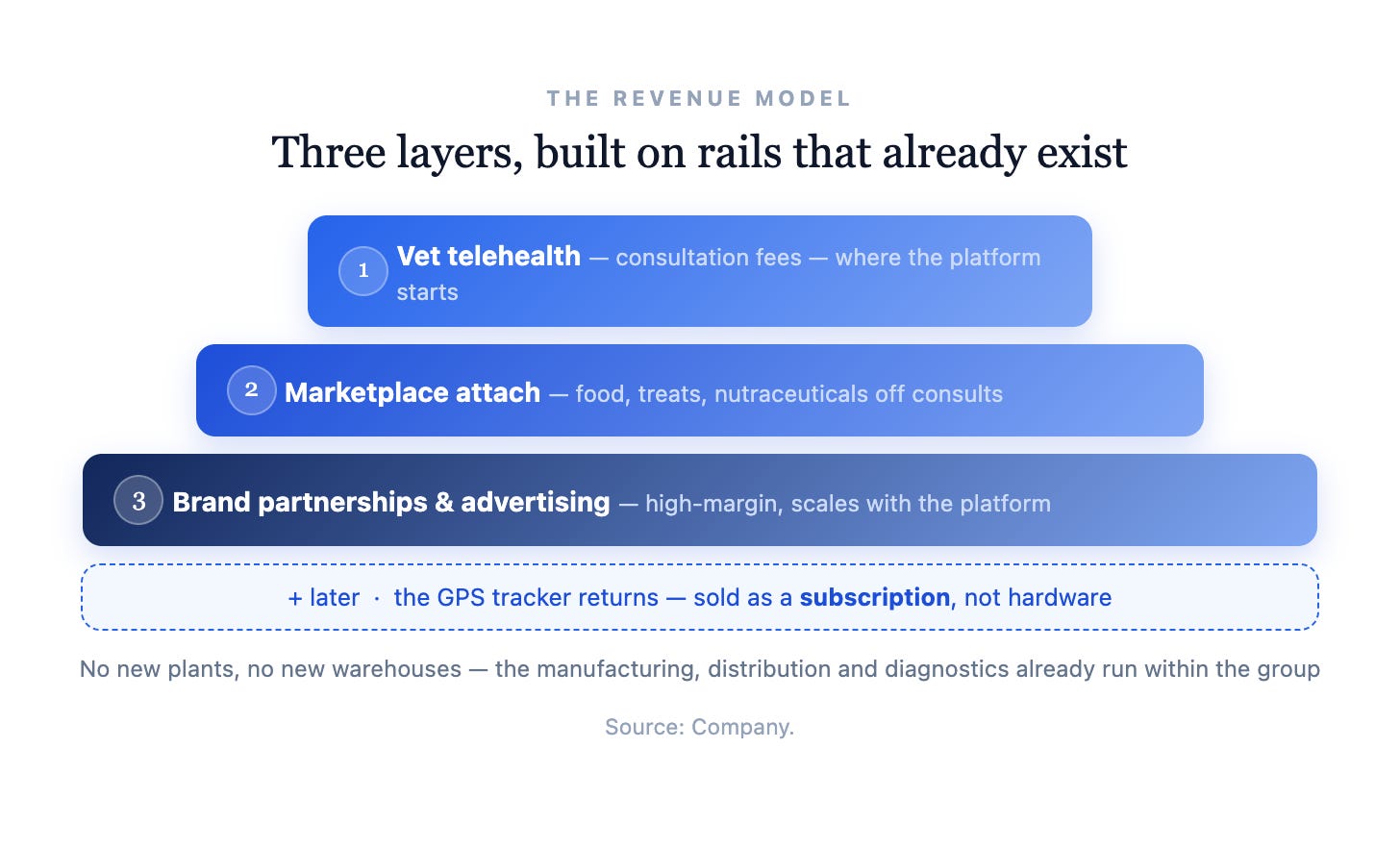
Revenue starts with consultation fees from verified vets. Product sales attach to those consultations — food, treats, accessories, nutraceuticals. Brand partnerships and advertising come as the platform grows.
Later, the GPS tracker returns, priced as a subscription:
“The device is not where we make money. It’s like printers — you sell three or four printers cheap, then make your money on the cartridges. The device pulls people in. The subscription, the services, the recurring products — that’s the business.”
“Switch the device to full active mode — data every second — and the battery lasts five hours. Take the GPS location once an hour, and it lasts seventeen. The whole game is adding features without killing the battery or making the device too heavy to wear.”
Fredun’s projections assume two loss-making years, spent mostly on marketing, with gross merchandise value growing from roughly ₹12 crore in year one to ₹180 crore by year five as the inventory-led share rises. He is explicit that GMV is not revenue:
“As a listed company you have to be very careful. GMV is not revenue. Open Zomato’s P&L against Swiggy’s — Blinkit reports the whole GMV because it’s inventory-led; Instamart reports only platform fees because it’s a marketplace. We will not show GMV as revenue. Only the real platform revenue, and the inventory we actually own, sits in our P&L.”
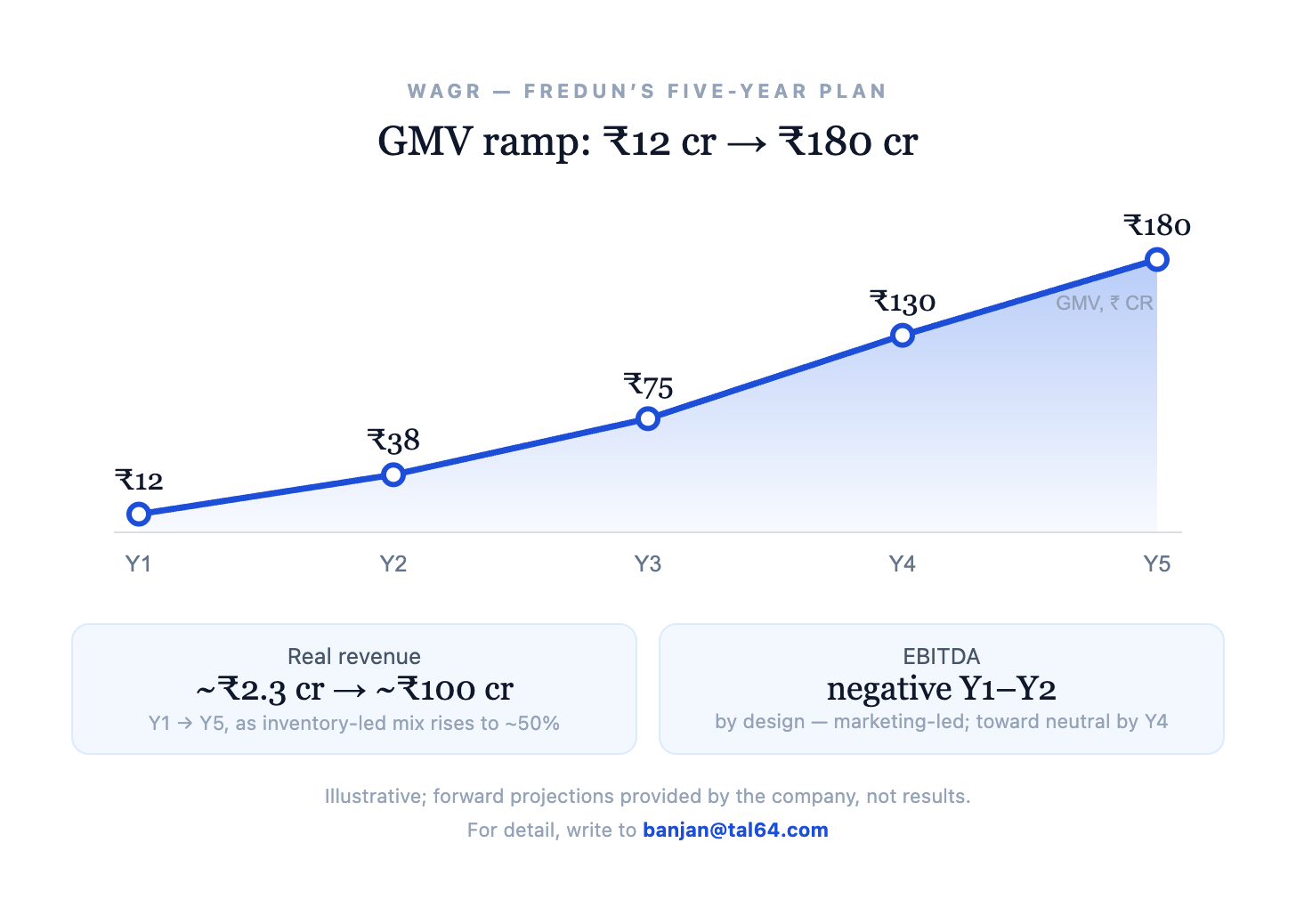
On that basis, year-one platform revenue is roughly ₹2.34 crore on ₹12 crore of GMV; by year five, with about half of GMV inventory-led, the revenue consolidating into FPL would be on the order of ₹100 crore. On the H1 FY26 investor call he put the longer-term figure at “a few million dollars a month” within five to seven years. These are forward projections, not results.
The plan uses what FPL already owns. Wagr carries little inventory and builds no plant, no diagnostics, no distribution — those sit inside the parent.
Supertails, the most prominent independent, closed a $30-million Series C led by Venturi Partners in February 2026 at roughly a $130-million post-money valuation — capital raised in part to build what already exists around Wagr. Fredun says he is in no hurry to raise:
“When we start talking about Wagr, we’re not saying we’re raising capital today. We’re building relationships — and at the right time, we’ll say we’re open. Then it can come in a few weeks, or a few months.”
What could go wrong
The outcome is not settled.
The market size is independently supported, the infrastructure exists, and the parent is profitable and committed. The risks are just as specific.
Execution comes first: a vet-led marketplace is harder to build than a storefront. It depends on onboarding and verifying vets, running a phased plan on time, and persuading first-time pet parents — many of whom don’t yet know what good care looks like — to change where they go. Fredun names the first obstacle himself:
“What limits adoption? Not knowing about it. So awareness is the first goal.”
There are others. Wagr now depends on FPL’s priorities and balance sheet; the platform is pre-revenue and the projections are unproven; and the parent, like any fast-growing listed company, has risks of its own.
The market will be large. Whether this team and this structure capture it is an open question, and the next few years will answer it.
The longer game
Asked where this goes, Fredun describes the marketplace as one layer of a larger plan: training and grooming institutes to address the certification gap, stakes in clinics and diagnostic centres, the return of the device, and contract production for other brands alongside Freossi in the functional-food plant.
Each piece feeds the next — diagnostics generate data, data sharpens recommendations, recommendations bring people back. FPL built its pharmaceutical business the same way. At this scale, in this category, it is untested.
The conviction underneath it is the one he started with:
“Right now, value is created only through the food that goes inside the pet — as if the dog only eats and needs nothing else. No barber, no doctor, no diagnosis, no training, no one to call. That is exactly the empty space, and that is what we are here for.”
For eight years, Wagr tried to build this on a startup’s budget, and the budget ran out. It will try again with FPL’s plant, diagnostics centre, and balance sheet behind it. The market’s size is no longer the question. Execution is.
A pet, Fredun likes to say, shouldn’t have to pray to be cared for. It can Wagr it.
If you would like to discuss an opportunity with Wagr or Fredun Pharmaceuticals Limited, please write to us at banjan@tal64.com.
Safe Harbor Statement
This story contains forward-looking statements based on current expectations and is provided for information only. Actual results may differ materially from those projected. Nothing here is an offer to sell or a solicitation of an offer to buy any securities, nor is it investment advice. Investment decisions should be made on the basis of independent analysis and professional advice. tal64 is not a registered investment adviser, and holds a disclosed equity interest in the entity described.
This story is based on interviews with Fredun Medhora, MD of Fredun Pharmaceuticals Limited, supplemented by Fredun Pharmaceuticals’ public filings and investor calls, the Wagr transaction materials, and Redseer’s 2024 report on Indian pet care. This is NOT a paid article.
A unique, thoughtful, moat filled way of building a strong business in a niche that's growing large ... great read!